

Hostas Dormancy in Winter

We have enjoyed a magnificent show of colourful foliage from our Hostas from Spring through to early Autumn. They have performed well but now need a long rest to recoup & recover, so that they can perform again next year.

Hostas die back completely in winter. This annual disappearance is a natural process allowing these herbaceous plants to survive cold temperatures. The plant enters a state of deep rest, redirecting energy for a vigorous return in the spring. This cycle of seasonal dieback and reemergence is a defining characteristic of Hostas.
The winter dieback is known as dormancy. This is triggered by two main environmental factors, not with a calendar date. Shortening daylight hours (photoperiod) and consistently cooling air & soil temperatures in Autumn. These signals prompt a hormonal shift, instructing the plant to halt above-ground growth and prepare for the cold.

The visible foliage above ground, begins to yellow and collapse. in a process known as senescence, the natural dieback of natural materials. Valuable sugars, proteins, and carbohydrates are broken down from the leaves and transported downward for storage in the crown and roots.
The root system remains alive, acting as a secure vault for the energy reserves that fuel the next season’s growth. This period of cold rest, or vernalisation, is a biological requirement, ensuring healthy, robust growth when warmer weather returns.
A few light frosts are the final, unmistakable command. These cues trigger a massive hormonal shift within us, primarily an increase in abscisic acid, which acts as the direct instruction to shut down above-ground operations and prepare for winter's rest.
Preparation for Dormancy
Well-faded leaves should be removed when they have used their full potential and are no further use to the Hosta. This keeps the plant clean. If the foliage persists in reasonably good order, the time to cut back the foliage is after a hard freeze, when the leaves have turned yellow or brown and become limp. Cutting back the leaves too early can hinder the plant’s ability to store energy in its roots, while waiting until after a hard freeze ensures the plant has completed its nutrient withdrawal.
Hosta going into dormancy tidy dead leaves
Removing the dead foliage is a preventative measure against pests and diseases. Decaying leaves can harbour slug eggs and provide shelter for pests like voles, which can damage the crown during winter. After trimming the stems to about two inches above the soil line, apply a layer of organic mulch around the base. This mulch acts as a thermal buffer, insulating the crown and preventing frost heave.
Container-grown Hostas require extra attention because their roots are more exposed to freezing air temperatures. To overwinter potted Hostas, you can move them to beneath larger shrubs, where temperatures remain cold but stable, and they still benefit from vernalisation. They should NOT be put in a greenhouse or put indoors. Compost in containers during winter should be barely dry.

Reemergence: What to Expect in Spring
New growth, often referred to as pips or eyes, are tightly folded shoots pushing up through the soil. The timing of this reemergence is largely dependent on soil temperature, generally beginning when the soil reaches a range of 45°F to 55°F. This typically occurs in early to mid-spring, signalling that the plant has completed its necessary cold period and is ready to resume growth.
Once the new shoots begin to unfurl, they are vulnerable to late spring frosts. While the dormant crown is hardy, tender, newly expanded leaves can be damaged by freezing temperatures.
Frost damage causes the leaf tissue to turn dark, mushy, or crack as it expands. Gardeners should monitor the weather forecast and cover emerging plants if a late frost is predicted, removing the cover once temperatures rise above freezing.
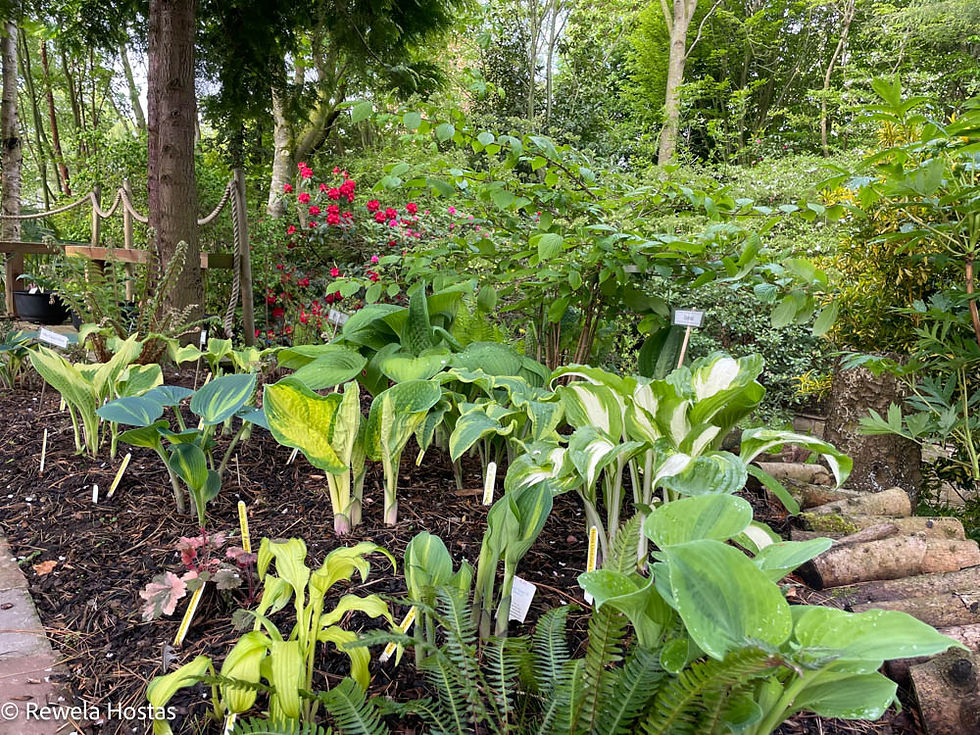
Come Spring, in the UK mid to late April, you will see the signs of regrowth from your Hostas. These little pointed “pips” or tightly closed buds, start to appear. This is a great sign of great things to come.
Every variety will start to show its intension at a different time. The later showing pips could be 4 weeks after the first ones. Don’t worry, they will all be there eventually.
This is the period we have all been waiting for… the start of a new season. The anticipation of what might come up, and which variety will be first.
It is probably one of my favourite times for the garden. Doing it all over again, for another year.
I hope that you are as excited as to what to expect after a long winter dormancy for your Hostas. Truth be known, they will have fared better than us.
Enjoy the new growth with your Hostas.
At Rewela Hostas, we are delighted to provide a diverse selection of Hostas suitable for collectors, experienced growers, and beginners alike. As a small family-run Hosta business we are more than happy to share our expert advice on everything related to Hostas. Shop now on our on-line shop for a wide range of Hostas, from new varieties to classics.
Shop for Hostas HERE

John Plant
Rewela Hostas


Great advice, thank you, John. I’ve got hostas in a shady north facing garden and also many hostas in pots so will be tending them as you have advised.